
 Shopify
 WooCommerce
In the world of fashion e-commerce, having a beautiful product is only half the battle. The other half is understanding the human mind.
Why do we buy a dress we don't strictly need? Why do we rush to checkout when we see a timer ticking down? Why do we trust a brand simply because an influencer wears it?
The answer lies in Psychological Triggers.
Human brains are wired to take shortcuts. When faced with the complexity of making a decision (e.g., "Should I spend $150 on these boots?"), we rely on subconscious cues to guide us. Smart retailers don't just sell clothes; they design experiences that tap into these cues to reduce friction and increase desire.
In this comprehensive guide, we explore 9 powerful psychological triggers that successful fashion brands use to turn browsers into loyal buyers.
1. Novelty: The Dopamine Hit of "New"
The human brain craves novelty. Neurologically, seeing something new releases dopamine, the feel-good chemical associated with reward. This is why "New Arrivals" is often the most-clicked link on any fashion site.
How to use it in Fashion:
- The "Drop" Model: Instead of releasing a seasonal collection all at once, release small batches every week. Brands like Zara and Supreme mastered this. It trains customers to check your site constantly.
- Reinvent Classics: Take your best-selling t-shirt and release it in a "Limited Edition" color. The item isn't new, but the novelty of the variation triggers the desire to buy again.
- Tech Novelty: Introduce new ways to shop. A feature like Genlook's AI Virtual Try-On isn't just a utility; it's a novel experience. Customers will engage with it simply because it's new and exciting, increasing their time on site by up to 200%.
2. Social Proof: Safety in Numbers
Fashion is a social signal. We wear clothes to fit in or stand out, but we always care about perception. When we are unsure about a purchase, we look to others for guidance. In 2025, a staggering 97% of shoppers read reviews before buying (BrightLocal).
How to use it in Fashion:
- Visual Reviews: Text reviews are good; photo reviews are gold. Seeing a size 12 woman looking amazing in a dress gives other size 12 shoppers the confidence that the model photo couldn't provide.
- "Best Sellers" Badges: Labeling items as "Trending" or "Customer Favorite" bypasses the decision-making process. If everyone else likes it, it must be good.
- User-Generated Content (UGC): Create a shoppable Instagram feed on your homepage. 58% of shoppers have purchased a product after seeing it on social media.
3. Scarcity: The Fear of Missing Out (FOMO)
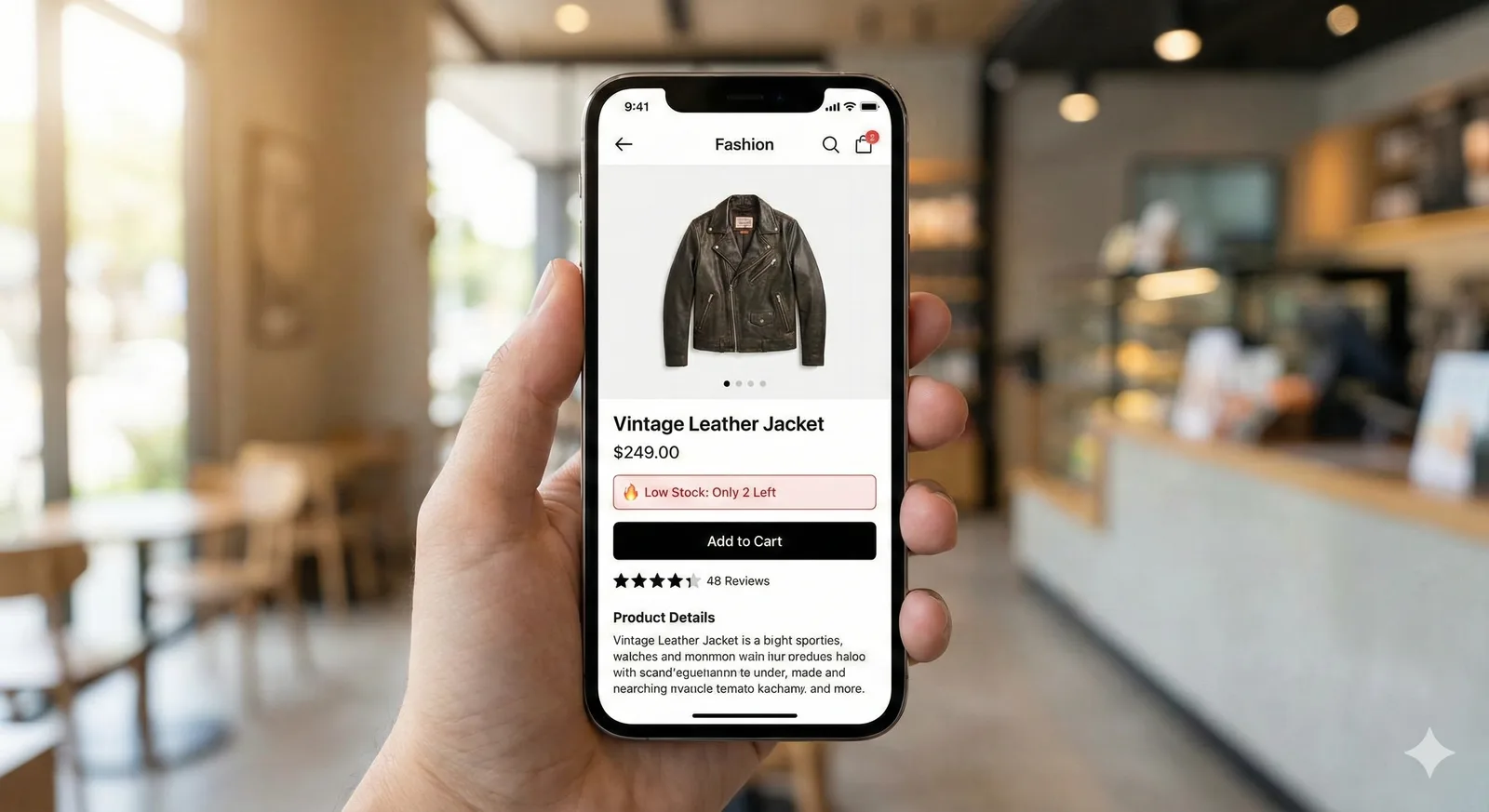
We want what we can't have. Scarcity triggers our fear of loss, which is often a more powerful motivator than the desire for gain. Studies indicate that displaying legitimate "low stock" messages can increase conversion rates by 226%.
How to use it in Fashion:
- Low Stock Alerts: Display "Only 3 left in Size M" on the product page. This moves the customer from "I'll think about it" to "I need to secure this now."
- Exclusive Access: Create a VIP tier where members get access to products that non-members can't buy yet. The scarcity of access makes the membership desirable.
- Waitlists: If a popular item sells out, let people sign up for a waitlist. The act of waiting increases the perceived value of the item when it finally returns.
4. Authority: The Expert Opinion
We are conditioned to trust authority figures. In fashion, authority doesn't mean a doctor; it means a tastemaker, a celebrity, or a specialized publication. In fact, 69% of consumers trust influencers and friends over information coming directly from a brand.
How to use it in Fashion:
- Influencer Collaborations: You don't need a Kardashian. Micro-influencers who are seen as "authorities" in specific niches (e.g., sustainable fashion, petite styling) transfer their trust to your brand.
- "As Seen In": If your brand was mentioned in Vogue, GQ, or even a popular niche blog, display those logos prominently.
- Style Guides: Position your brand as the expert. Publish content like "The Ultimate Guide to Layering for Winter" or "How to Style Linen." By teaching the customer, you establish authority.
5. Urgency: The Ticking Clock
Urgency is Scarcity's cousin, but related to time rather than quantity. It forces a decision now.
How to use it in Fashion:
- Countdown Timers: Use them sparingly, but effectively. "Order within 2 hours for Next Day Delivery" is a powerful utility-based urgency that boosts click-through rates.
- Flash Sales: "24-Hour Flash Sale: 30% Off Dresses." The strict time limit compels action.
- Cart Expiration: "We've reserved your items for 10 minutes." This is aggressive but effective for high-demand drops (like sneakers).
6. Reciprocity: The Art of Giving to Get
Sociology teaches us that when someone does something nice for us, we feel an innate obligation to return the favor. In commerce, this means giving value before asking for the sale.
How to use it in Fashion:
- Free Styling Advice: Offer a free quiz that recommends outfits based on body shape. You are giving personalized advice; the customer "repays" you by purchasing the recommendation.
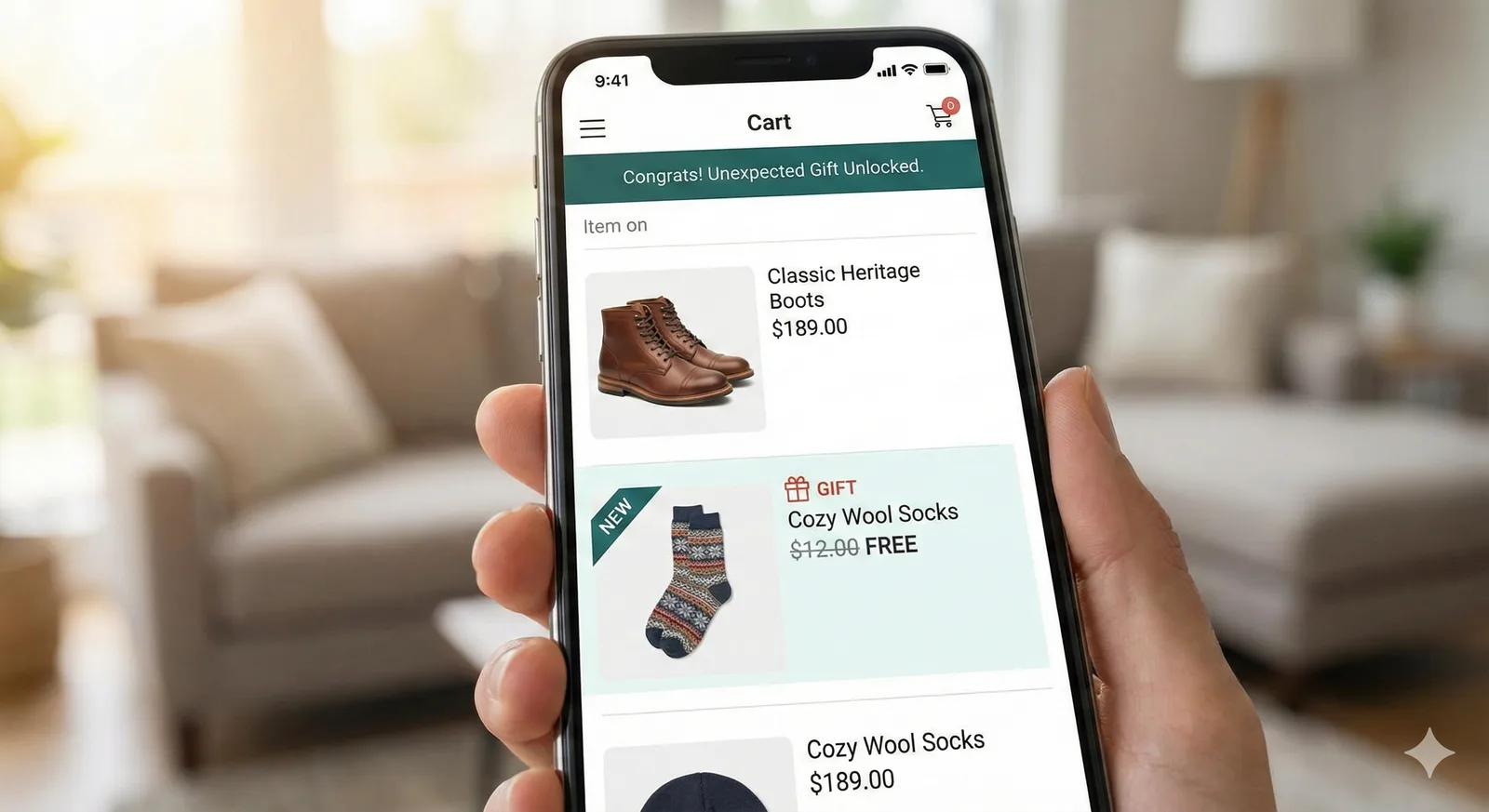
- Surprise Gifts: Include a small, unexpected freebie in the package (stickers, a hair tie, a handwritten note). It creates a debt of gratitude that pays off in loyalty and repeat purchases.
- Content: High-quality, free content (blogs, lookbooks) is a form of giving.
7. The Decoy Effect: Pricing Psychology
This is a cognitive bias where consumers change their preference between two options when a third, asymmetrical option (the decoy) is presented.
How to use it in Fashion:
- The Bundle Strategy:
- Option A: Summer Dress - $80
- Option B: Leather Belt - $40
- Option C (The Target): Dress + Belt Bundle - $95
- Here, Option B acts as a decoy to make Option A look okay, but Option C look like an absolute steal. You are effectively selling a $40 belt for $15, but the customer perceives massive value.
8. Liking: We Buy from Friends
We are more likely to say "yes" to requests from people we know and like. This is known as the "Halo Effect", where a positive impression in one area (likable brand voice) influences opinion in another (product quality).
How to use it in Fashion:
- Tell Your Story: People don't buy what you do; they buy why you do it. Use your "About Us" page to share your struggles, your values, and your face.
- Shared Values: If your audience cares about sustainability, be vocal about your eco-friendly packaging. If they care about inclusivity, ensure your models represent all body types.
- Humanize the Brand: Show behind-the-scenes footage of your office, your design process, or your warehouse team. It reminds customers that there are real humans behind the screen.
9. Commitment and Consistency
Once we make a small choice or take a stand, we encounter personal and interpersonal pressure to behave consistently with that commitment.
How to use it in Fashion:
- Micro-Conversions: Don't ask for the sale immediately. Ask for a small commitment first, like signing up for a newsletter to get 10% off, or taking a "Style Quiz." Once they have invested time (commitment), they are more likely to be consistent and finish the process (purchase).
- The "Endowment Effect" via Virtual Try-On: This is a subtle but powerful form of commitment. When a customer uploads their photo and sees themselves wearing your product using a tool like Genlook, they psychologically take "ownership" of the look. It is no longer a dress; it is their dress.
- Data Point: Stores using Virtual Try-On see return rates drop by 20-50% because the customer has already "committed" to the fit and look before buying.
Conclusion
Psychological triggers are not about manipulation; they are about communication. They help you communicate value, urgency, and trust in a language the subconscious brain understands.
For fashion retailers in 2025, the competition is fierce. The brands that win won't just be the ones with the best clothes, but the ones who understand their customers' psychology the best. Start by testing one or two of these triggers (perhaps a "Best Seller" badge or a "Style Quiz") and observe how your conversion rates respond.
Ready to unlock the Endowment Effect in your store? Turn browsers into buyers by letting them see themselves in your products today.
Start free with GenLook: AI Virtual Try On →
FAQ
Questions, answered.
What are psychological triggers in e-commerce?↓
Psychological triggers are subconscious cues, such as scarcity, urgency, or social proof, that influence a consumer's decision-making process, often bypassing logical hesitation to encourage a purchase.
How does the 'Decoy Effect' work in fashion?↓
The Decoy Effect involves offering a third, less attractive option to make another option look like a great deal. For example, pricing a belt at $30, a dress at $100, and a 'Dress + Belt' bundle at $105 makes the bundle irresistible.
Why is 'Social Proof' critical for clothing stores?↓
Clothing is high-risk; shoppers worry about fit and style. Social proof (reviews, customer photos) reassures them that others have bought and loved the item, reducing the fear of making a mistake.
Can Virtual Try-On be a psychological trigger?↓
Yes. It leverages the 'Endowment Effect' (ownership) and 'Commitment'. By seeing themselves in the item, customers psychologically adopt it, making them more likely to complete the purchase.