
 Shopify
 WooCommerce
 API
API研究模型,还是成熟产品。
开源模型推动了技术发展,值得深入学习,但它们的授权与维护往往止步于研究阶段。
开源模型
专为研究打造
- IDM-VTON:ECCV 2024 论文,在 Replicate 上的运行次数突破 160 万
- Kolors:Hugging Face 上备受欢迎的试穿 Demo
- IDM-VTON 与 CatVTON 采用 CC BY-NC-SA 协议:仅限非商业用途
- Kolors 试穿权重从未开源;想商用只能走 Kling 路线
- 托管、预处理、存储和内容审核全得自己搞定
Genlook
专为生产环境打造
- 端到端全面授权的商用试穿 API
- 订阅套餐下单次试穿低至 0.02 美元,量大更享 0.015 美元优惠
- 支持所有品类,无需蒙版,免写提示词,不用自己搞 GPU
- 稳定接口背后有专人持续维护迭代引擎
各方案实力盘点。
基于各模型开源仓库、授权协议及托管页面截至成文时的信息。
商业用途
可以,全面授权的商业服务
IDM-VTON、CatVTON:仅限非商用;Kolors:Demo 仅供体验试用
单次成本
订阅套餐下 0.02 美元起,量大低至 0.015 美元;按需计费单次 0.04 美元
在 Replicate 运行 IDM-VTON 单次约需 0.023 美元(A100);在 fal 上运行 Kling 试穿单次约 0.07 美元
速度
中位数 8.2 秒
IDM-VTON 在 A100 上约需 17 秒;其他未公布具体数据
处理流程
只需两次 REST 调用,无需提示词
IDM-VTON:需先进行人体解析和 DensePose 处理,然后推理
支持品类
所有商品类别均支持,单个接口全搞定
IDM-VTON Demo 的自动蒙版仅针对上装;三者均侧重服饰
维护保障
全托管服务,API 背后的引擎持续迭代更新
IDM-VTON:代码最后更新于 2024 年 7 月;Kolors Demo:自 2024 年 9 月起未再更新
系统运维
全部内置,另提供用户数据管理与删除 API
完全自理:托管、存储、审核、重试都需自行处理
免费起步
提供 10 个免费积分
免费体验权重或 Demo,仅限研究用途
纸面上比不出来的真功夫。
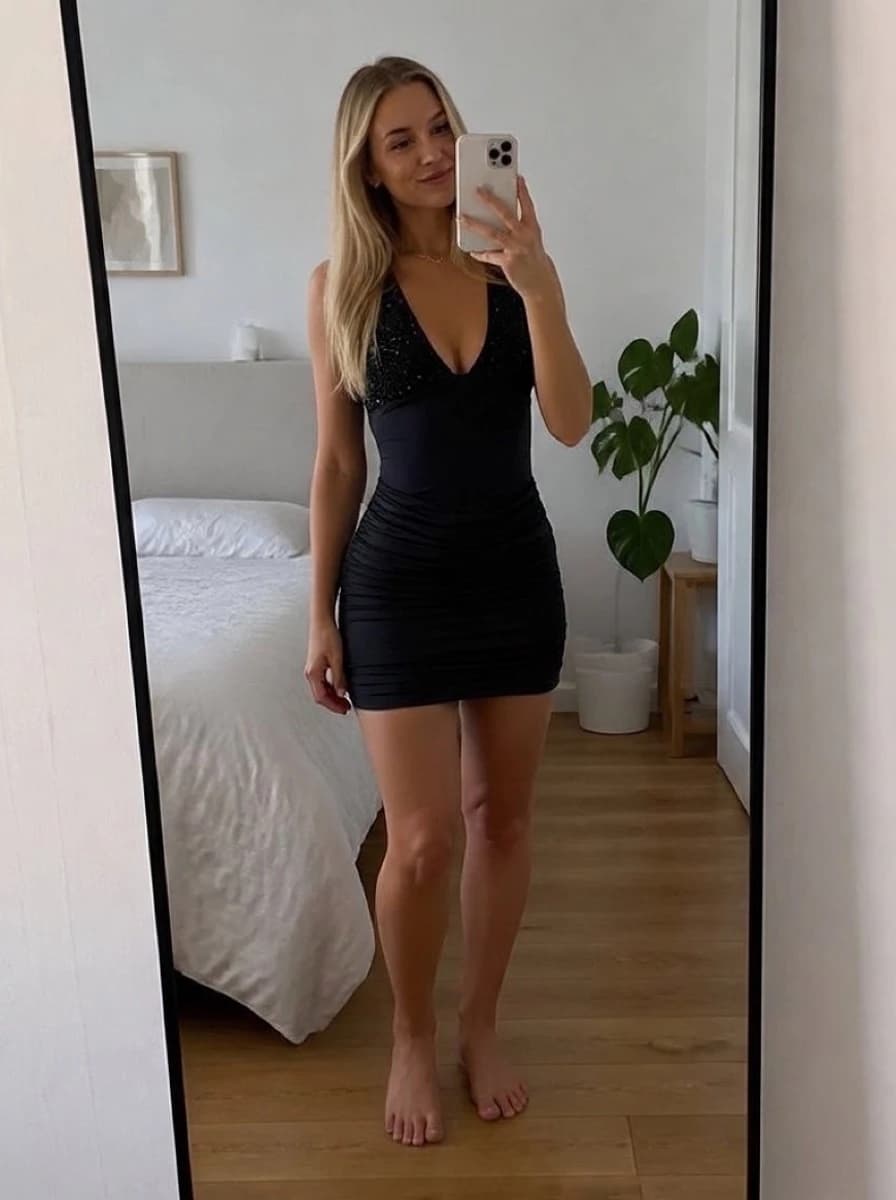
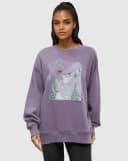
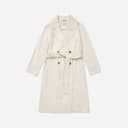
以下四张均为 Genlook 引擎基于真实商品图片生成的试穿效果。









各开源模型真实情况揭秘
| 模型 | 权重 | 授权协议 | 维护状态 |
|---|---|---|---|
| IDM-VTON | 在 GitHub 和 Hugging Face 公开 | CC BY-NC-SA 4.0,不可商用 | 代码最后更新于 2024 年 7 月;维护者对近期 Issue 无回应 |
| CatVTON | 在 GitHub 公开 | CC BY-NC-SA 4.0,不可商用;在 fal 上的托管版标记为仅供研究 | 研究性发布 |
| Kolors 虚拟试穿 | 未开源;Demo 调用的是快手内部私有接口 | Demo 标明仅供免费体验试用 | Demo 自 2024 年 9 月以来基本无更新 |
IDM-VTON 往往是开发者们接触到的第一个模型。这篇 ECCV 2024 论文被广泛引用,其 Replicate 页面运行量超过 160 万次,权重也可直接下载。但要跑起来,你需要自行搭建一套包含人体解析和 DensePose 的预处理流程,其 Demo 的自动蒙版主要针对上装,在 A100 上单图耗时约 17 秒。
CatVTON 的仓库同样附带 CC BY-NC-SA 协议,fal 也将其托管版本标明为仅限研究。
Kolors 虚拟试穿 是 Hugging Face 上点赞数最高的试穿 Demo,但其背后并没有开源的试穿模型:开源的 Kolors 项目实际上是快手的文本生成图像模型,而该 Space 则将请求转发至私有接口。要想商用,只能选择 Kling 试穿服务,通过 Kling 官方或 fal 等平台调用,作为纯推理服务每次调用约需 0.07 美元。
Genlook 的解决之道
Genlook 是全方位授权的商业试穿 API。无需准备蒙版、提示词或任何预处理步骤,一个接口就能搞定服饰、鞋履、眼镜、珠宝、帽子及假发。支持同步返回或 Webhook 回调结果,终端用户数据可按需一键删除,底层引擎的升级也完全透明。订阅套餐下每次试穿低至 0.02 美元,大规模调用甚至只需 0.015 美元,让你彻底告别高昂的 GPU 租赁成本。
对于研究学习扩散模型试穿技术,开源模型是不二之选。但当真正面对真金白银的客户时,请使用合法授权、有人维护的商业 API。
Genlook API 为何能胜任生产环境。
全面商业授权
彻头彻尾的商业服务。没有不可商用的协议限制,也没有仅供体验的条款阻碍你通过新功能创收。
零自建管线
无需处理人体解析、DensePose 或蒙版。只需传入人物照片和商品,就能得到试穿结果。
全品类支持
服饰、鞋履、眼镜、珠宝、帽子、假发:一个接口全搞定。
运维全包揽
涵盖托管、存储、Webhook 机制、内容审核、用户管理,以及满足隐私要求的删除接口。
只需两次调用即可完成初次试穿。
- 1
创建密钥
访问 platform.genlook.app 自助注册。新账号赠送 10 个免费积分。
- 2
上传并生成
POST 上传人物照片,POST 发起试穿任务。可在同一请求中同步获取结果,也可通过 Webhook 接收。
- 3
上线发布
包月套餐 20 美元起,含 1000 次试穿(单价 0.02 美元),量大单价低至 0.015 美元;也可选择 0.04 美元单次的按需计费。在开发新产品?我们的初创企业扶持计划为您提供免费积分支持。
为你答疑解惑。
IDM-VTON 能否用于商业用途?
根据其公开协议,不可以。其代码及检查点均采用 CC BY-NC-SA 4.0 协议,Replicate 页面也明确标有“仅限非商业用途”。由于商业产品属于商业用途,因此将其用于产品内属于违规操作,除非您单独向作者获取了商业授权。
有 IDM-VTON 官方 API 吗?
作者并未提供。像 Replicate 这样的托管平台有提供运行服务,A100 上单图成本约 0.023 美元,但依然受到相同非商业协议的限制。Genlook 则是正经商业授权的试穿 API,订阅套餐下单次试穿仅需 0.02 美元。
Kolors 试穿模型能下载吗?
不能。快手并没有开源其试穿模型权重;开源的 Kolors 项目仅包含文本生成图像模型。Hugging Face 上的 Demo 调用的是内部私有接口。若要用于商业场景,相关产品是 Kling 的试穿服务,可通过 Kling 官方或 fal 等平台购买。
CatVTON 可以免费商用吗?
不可以。其代码仓库、检查点和 Demo 均在 CC BY-NC-SA 4.0 协议下发布,fal 上的托管版本也明确标记为仅供研究。
那开源模型什么时候用最合适?
用于研究、基准测试,以及学习扩散模型试穿技术。这是其授权协议允许的范围,在这些领域它们是非常棒的学习材料。但如果是面向付费客户的商业产品,请使用拥有合法授权的商业 API。
信息来源
- IDM-VTON GitHub repository: license, commit history, issues
- IDM-VTON model card on Hugging Face: license
- IDM-VTON on Replicate: run time, hardware, cost per run, non-commercial note
- ECCV 2024 paper page for IDM-VTON
- CatVTON GitHub repository: license
- CatVTON on fal: research-only label
- Kolors GitHub repository: README license section, model license
- Kolors Virtual Try-On Space on Hugging Face: likes, disclaimer, app code
- Kling Kolors try-on on fal: price, commercial use
- Genlook Try-On API pricing