
 Shopify
 WooCommerce
The days of relying solely on flat, static product photography are numbered. In 2026, the gap between the in-store fitting room and the digital shopping cart is being bridged by Virtual Try-On (VTO) technology.
For years, the promise of VTO felt like a gimmick: clunky filters that hovered awkwardly over a webcam feed. But with the explosion of Generative AI and advanced Augmented Reality (AR), the technology has matured into a critical conversion driver.
Consumers are no longer just looking at products; they are experiencing them.
From luxury fashion houses to independent Shopify boutiques, brands are leveraging VTO to solve e-commerce's two biggest headaches: low conversion rates and high return volumes.
Here are 9 standout examples of how retailers are using Virtual Try-On technology to transform the shopping experience in 2026.
1. Zara: Mainstream Fashion Adoption
When a giant like Zara adopts a technology, it signals a market standard. Zara integrated a virtual try-on feature directly into their mobile app, allowing users to visualize how garments fit on different body types.
The Application: Instead of a generic 3D avatar, Zara’s approach often leans towards high-fidelity augmented reality or generative visualization, allowing shoppers to point their camera and see the drape of a dress or the cut of a blazer.
Why it works: Zara’s massive catalog turnover makes traditional modeling expensive. VTO allows them to showcase fit dynamics without shooting every SKU on every body type. It reduces the "will this fit?" anxiety that plagues fast fashion.
2. Genlook: Democratizing VTO for Shopify Merchants
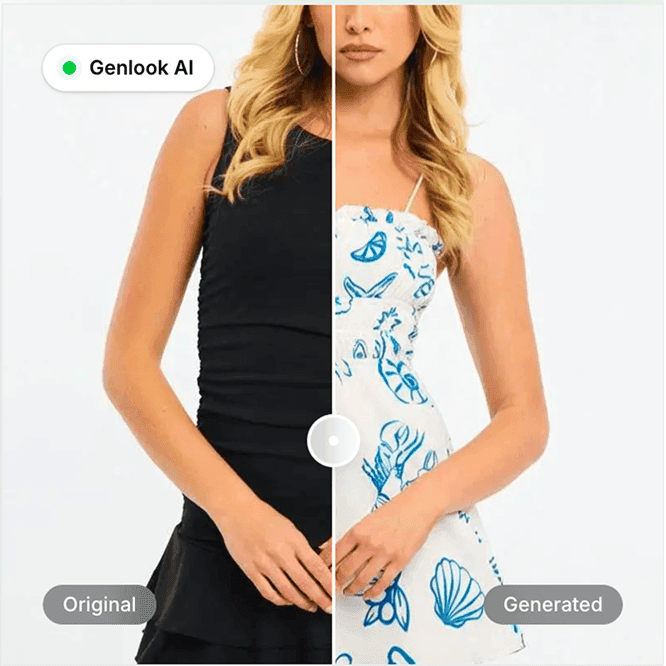
While Zara builds proprietary tech, Genlook brings that same power to the millions of independent merchants on Shopify.
The Application: Genlook focuses on Generative AI for apparel. Unlike older AR that required expensive 3D models (.glb files), Genlook works with existing 2D product photos. A shopper uploads a photo of themselves, and the AI realistically "dresses" them in the product, preserving fabric texture, lighting, and fit.
Why it works:
- Accessibility: Small brands don't need a tech team. It's a plug-and-play Shopify extension.
- Realism: Generative AI handles fabric drape better than rigid 3D meshes, showing how a size M might look different from a size S on a specific body type.
- Conversion: Merchants report a ~35% uplift in conversion for users who engage with the widget.
3. Warby Parker: The Pioneer of Face AR
Warby Parker arguably popularized the concept of Virtual Try-On for the mass market. Their implementation remains the gold standard for accessories.
The Application: Using the front-facing "selfie" camera, the app maps the user's face in real-time. It places glasses frames on the nose bridge with incredible precision, accounting for head turns and light reflection.
Why it works: Glasses are deeply personal. The slightest variation in frame width can change a look entirely. Warby Parker’s VTO mimics the mirror experience so effectively that it made buying prescription eyewear online feel safe.
4. Gucci: Luxury Sneakers & Gamification
Luxury brands sell a dream, and Gucci uses VTO to let anyone step into that dream, even if they can't afford the physical product yet.
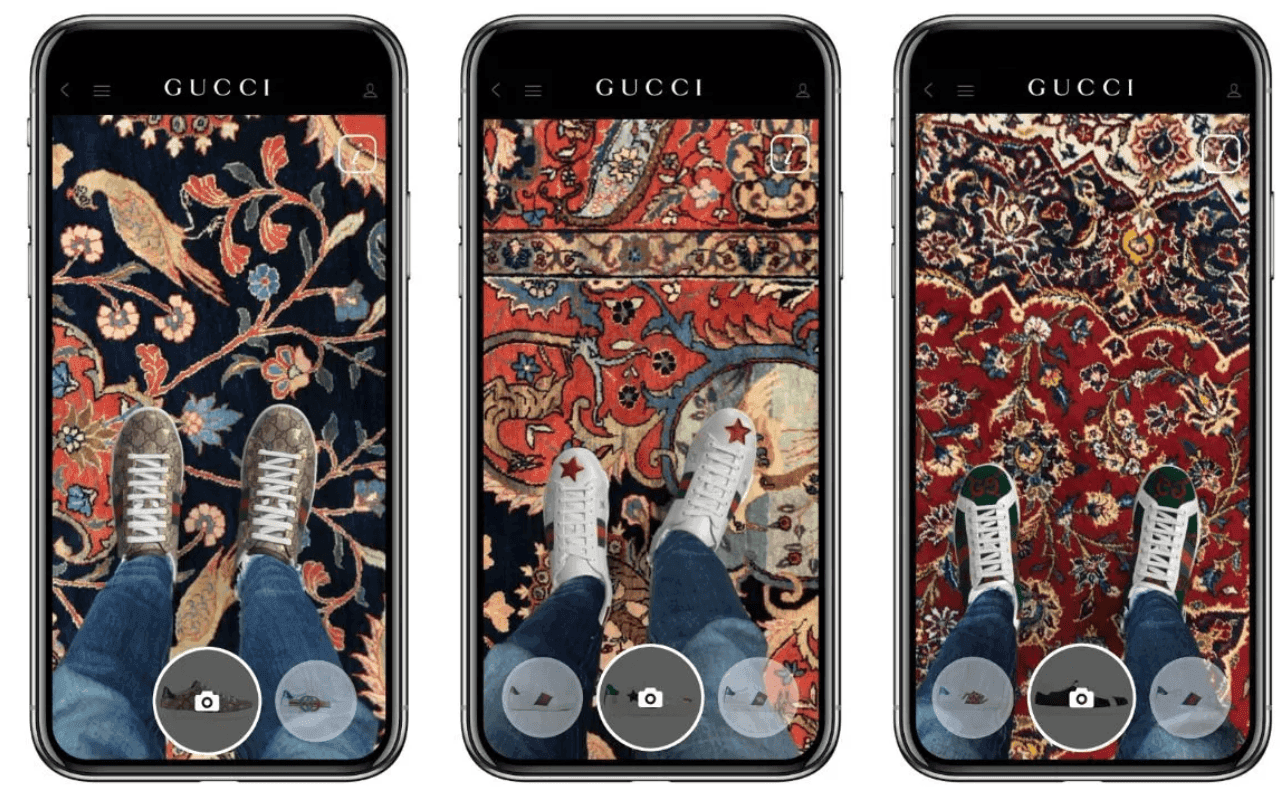
The Application: Through their app and partnerships with platforms like Snapchat, users can point their camera at their feet and instantly see Gucci Ace sneakers or other iconic models on their feet.
Why it works:
- Virality: It turns shopping into content creation. Users share their "virtual" Gucci look on social media, driving massive organic brand awareness.
- Desire: It lowers the barrier to entry for the brand experience, nurturing future customers.
5. IKEA Place: Contextualizing Size and Scale
VTO isn't just for the body; it's for the environment. IKEA Place solved the "will this sofa fit?" problem.
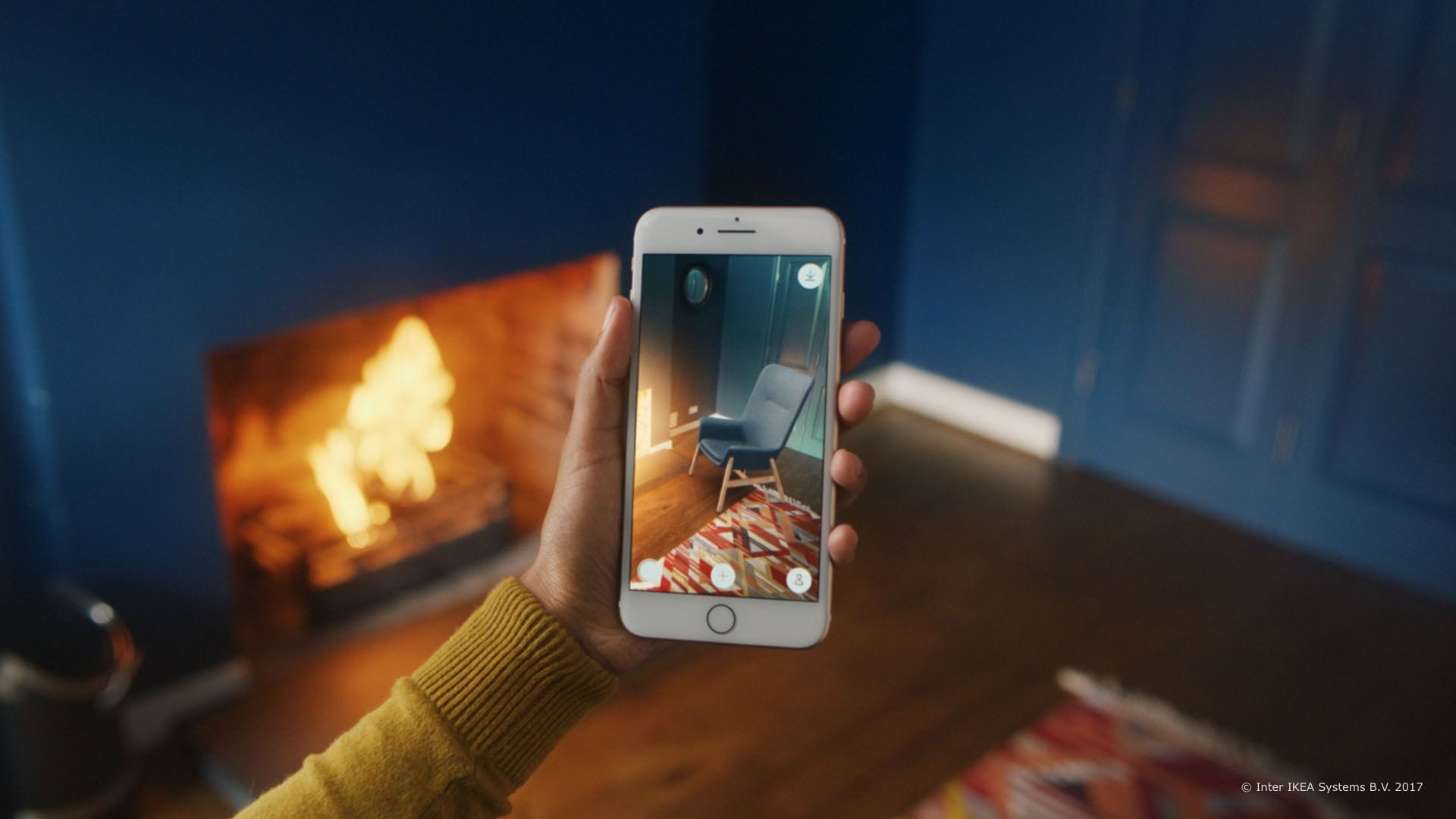
The Application: Using Apple’s ARKit and Android’s ARCore, the app places true-to-scale 3D furniture models in your living room through your phone camera. You can walk around the chair, see the texture of the fabric, and check if it blocks the walkway.
Why it works: It purely addresses logistics and hesitation. Furniture returns are a logistical nightmare. By proving the item fits the space before purchase, IKEA drastically reduces the friction of buying big-ticket items online.
6. L'Oréal Modiface: The Digital Beauty Mirror
The beauty industry was one of the earliest adopters of AR, and L'Oréal's acquisition of Modiface cemented its dominance.
The Application: Available on sites like Sephora and Amazon, this tech tracks lips and eyes to overlay lipstick shades, eyeshadows, and even foundation.
Why it works: Hygiene and convenience. Trying on 20 shades of lipstick in a store is messy and unhygienic. Digitally, you can try 50 shades in 60 seconds. It encourages experimentation with bold colors customers wouldn't usually pick, increasing the Average Order Value (AOV).
7. Nike Fit: Utility Over Vanity
Nike took a different approach. While they have visual AR, their "Nike Fit" tool is largely about utility: solving the sizing problem.
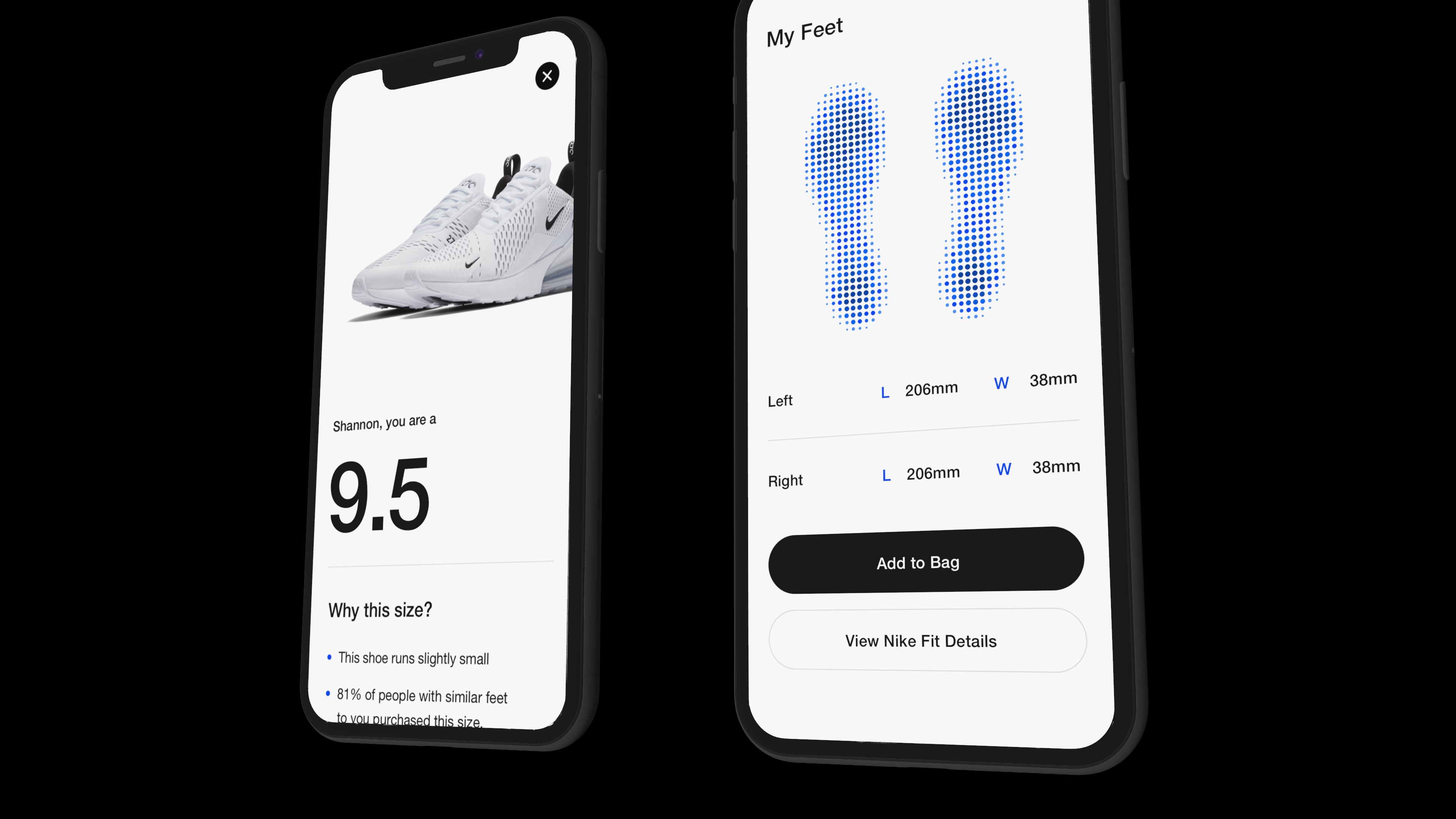
The Application: Using computer vision, the app scans your foot to measure its exact dimensions (length, width, volume). It then recommends the specific size for that specific shoe model, knowing that a Jordan 1 fits differently than a React runner.
Why it works: It attacks the return rate directly. Footwear has one of the highest return rates in e-commerce due to sizing inconsistencies. Nike Fit creates a "digital passport" for your foot.
8. Rolex: High-End Wrist AR
Similar to Warby Parker, the watch industry relies on fit and proportion. A 40mm case looks very different on a 16cm wrist versus a 20cm wrist.
The Application: Rolex and other luxury watchmakers use AR markers (sometimes requiring a printable paper wristband for scale) to visualize the watch on the user's wrist.
Why it works: It replicates the "showroom" experience. For items costing thousands of dollars, the reassurance of visual proportion is essential for closing the sale remotely.
9. Ray-Ban (Meta): The Smart Glasses Integration
Taking VTO a step further, Ray-Ban, in collaboration with Meta, is integrating the technology into the hardware itself and the shopping journey for smart glasses.
The Application: Beyond just trying on frames, the experience simulates the view through the lenses (polarized, transitions, etc.), combining hardware aesthetic with functional demonstration.
Why it works: It educates the customer on the product's features (lens technology) while selling the style simultaneously.
Why Retailers Can No Longer Ignore VTO
The examples above show that Virtual Try-On is no longer a "nice-to-have" experimental feature. It is becoming a standard expectation for the modern consumer.
The Business Case is Clear:
- Reduced Returns: Whether it's Nike ensuring the right size or Genlook ensuring the right style, VTO attacks the #1 profit killer in e-commerce: returns.
- Higher Conversion: Hesitation kills sales. VTO removes hesitation.
- Engagement: Users spend significantly more time on pages with VTO enabled.
How to Get Started
For large enterprises, custom AR development (like IKEA or Gucci) is an option. But for the vast majority of fashion retailers, plug-and-play solutions are the future.
Genlook puts a virtual fitting room on your store in minutes, whether you run on Shopify, WooCommerce, or another supported platform:
- Install the app and connect your store.
- Enable the widget on your product pages.
- Let customers visualize your inventory on their own photos.
The technology is here. The customers are ready. Is your store?
FAQ
Questions, answered.
What is Virtual Try-On technology in retail?↓
Virtual Try-On (VTO) uses Augmented Reality (AR) or Artificial Intelligence (AI) to allow customers to visualize products on themselves (like clothes, glasses, or makeup) or in their environment (furniture) via a screen, without physical interaction.
How does VTO increase conversion rates?↓
By removing the uncertainty of 'how will this look on me?', VTO builds buyer confidence. Data shows that customers who engage with a try-on feature are up to 35% more likely to convert than those who view static images alone.
Is Virtual Try-On available for small Shopify stores?↓
Yes. While early VTO tech was exclusive to giants like Gucci or IKEA, tools like Genlook now bring AI-powered virtual fitting rooms to independent Shopify merchants without requiring custom development or 3D modeling.
Does Virtual Try-On actually reduce returns?↓
Absolutely. By giving a realistic preview of fit, drape, and style, customers make more informed choices. Retailers implementing VTO often see return rate reductions ranging from 30% to 50%.