
 Shopify
 WooCommerce
KOLORS ALTERNATIVE
Genlook vs. Kolors Virtual Try-On
Kolors powers one of the most-liked try-on demos on Hugging Face. But a demo is not an API: commercial use means registering with Kuaishou and building everything around the model yourself. Genlook sells that finished layer as one API.
01 — The short verdict
A model demo, or a finished API.
Kolors is a strong research model with a famous free demo. Genlook is the production service you would spend months building around a model like it.
Kolors
Built for trying the model
- One of Hugging Face's most-liked try-on demos, free to play with
- Backed by Kuaishou's Kolors diffusion model, solid garment quality
- Demo is non-commercial with daily limits; weights need a registration with Kuaishou
- No official API, SLA or support; hosting and scaling are yours
- The open try-on release has sat largely untouched since its 2024 launch
Genlook
Built for production
- Standalone try-on API, commercially licensed end to end
- Always-on service: 9.3s median, webhooks or polling
- Any product type, results stored, user records with deletion API
- Always the latest engine: improvements land behind the same contract
02 — Feature by feature
Where each option stands.
Checked against the Kolors repository, model license and Hugging Face Space.
What you get
A try-on API: engine, storage, user data
Model weights and a hosted demo
Commercial use
Yes, commercial service
Demo is non-commercial; weights require registering with Kuaishou
Cost per try-on
$0.08 flat, $0.065 at 3,000+
Free demo with daily limits, then your own GPUs or ~$0.07 via Kling on third-party hosts
Speed
9.3s median
No published figure; diffusion inference on whatever you host
Hosted API
Always-on API with webhooks and docs
None from Kuaishou; third parties wrap the Kling derivative
Product types
Any product type, one endpoint
Clothing focused; fine logos and garment text often distort
Operations
Included, plus user records and deletion API
Self-hosting: GPUs, storage, moderation and retries are yours
Maintenance
Engine updates behind the same endpoint
Open try-on release largely static since September 2024
The part you can't compare on paper.
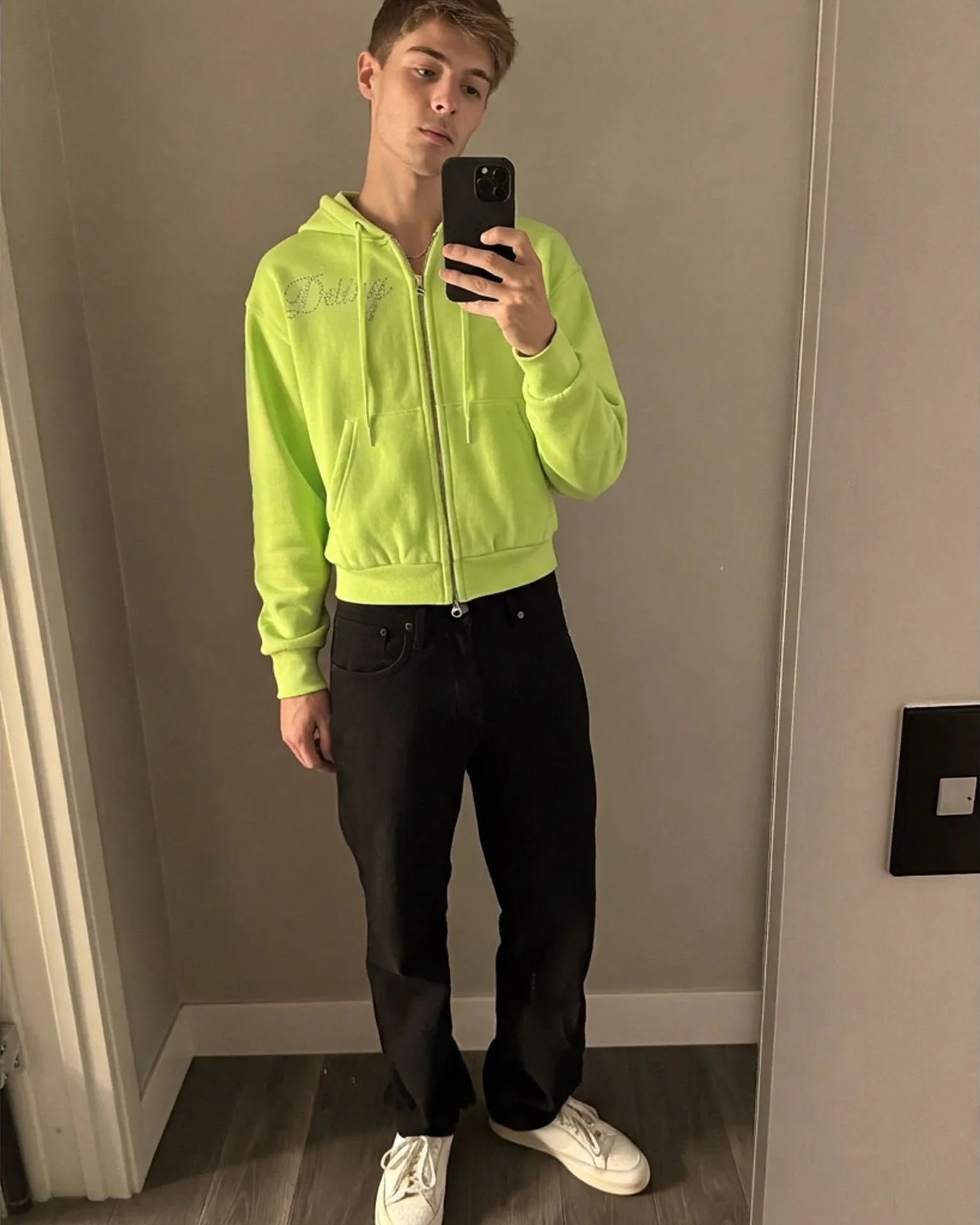
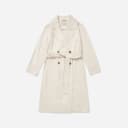
Four generations from the Genlook engine on real product photos.










03 — The real difference
A great demo is not a deployment plan
Credit first: Kolors is real work. Kuaishou's diffusion model produces convincing garment transfer, and the official Hugging Face Space is one of the most-liked try-on demos on the platform for a reason. If you want to see what current open research can do on a single photo, it is a genuinely good afternoon.
Shipping it is a different project. The Space itself is for non-commercial trial use with daily limits. The model license splits code from weights: the code is Apache, the weights are free for research, and commercial use requires registering with Kuaishou by questionnaire. Clear that step and you still hold a raw model: no official API, no SLA, no support channel, and a try-on release that has seen little movement since its September 2024 launch. GPUs, scaling, storage, moderation, retries and user data handling are all yours to build. The commercially packaged path that does exist runs through the separate Kling product on third-party hosts, at around seven cents a call, under its own terms.
How Genlook handles it
Genlook is the finished layer sold as one API. Product photo in, person photo in, result out at 9.3 seconds median, any product type through the same endpoint, no prompts and no weights to host. Results are stored rather than handed back from a demo queue, end users become records you can delete on request, and the engine stays current with the state of the art behind the same contract, so the best available result is what you get without ever migrating. A try-on costs a predictable $0.08 flat, $0.065 at volume, with no hosting or scaling on your side: that is the all-in price of the service Kolors would still require you to build.
If you are evaluating what try-on models can do, enjoy the Kolors demo. If try-on is going into a product, start from an API that is licensed, hosted and maintained.
04 — In practice
What the Genlook API is tuned for.
Licensed for commerce
A commercial service end to end. No registration questionnaires or research-only demo terms between your feature and your revenue.
Hosted and always on
9.3s median from an always-warm, highly available service. No GPUs to rent, no scaling to plan, no daily demo limits.
Any product type
Clothing, shoes, glasses, jewelry, hats, wigs: one endpoint covers them all, with no category parameter to get wrong.
Operations included
Storage, webhooks, moderation, user records and a deletion endpoint for privacy requests.
05 — Getting started
Two calls to your first try-on.
Create a key
Self-serve at platform.genlook.app. New accounts start with 5 free credits.
Upload and generate
POST the person photo, POST the try-on. Poll for the result or receive a webhook.
Go live
Credits from $0.08, $0.065 at volume. Building something new? The startup program adds free credits.
06 — FAQ
Questions, answered.
Isn't Kolors free?↓
The demo is, for non-commercial trial use with daily limits. The model itself is free for research; using the weights commercially requires registering with Kuaishou, and running them requires your own GPU infrastructure. By the time a product ships, "free" has become an inference bill plus the engineering to operate a model. Genlook's $0.08 per try-on is the all-in price of the finished service.
Can I use Kolors commercially at all?↓
Yes, with steps. Kuaishou grants commercial use of the weights through a registration questionnaire, automatic below a very large usage threshold. What you do not get is a hosted API, an SLA or support: after registering you still self-host and operate the model. The packaged commercial option is the separate Kling-branded try-on sold through third-party hosts under its own terms.
Is the Kolors try-on on fal.ai the same thing?↓
Not quite. fal hosts a Kling-branded try-on built on the Kolors backbone, at about $0.07 per call and cleared for commercial use. It is a different commercial surface from the open Kolors release, and it is still raw inference: temporary output URLs, storage, user data and retries remain your code. We compare Genlook with fal directly on the Fal AI page.
When is Kolors the right choice?↓
For research, benchmarking and demos. If you are studying try-on models, fine-tuning your own pipeline, or want a free way to eyeball what open models produce, the Kolors Space is one of the best available. The line is production, where licensing, hosting and operations flip the equation.
Can I test Genlook before committing?↓
Yes. Keys are self-serve, new accounts start with 5 free credits, and the quickstart is two REST calls. Run the same product photos through the Kolors demo and through Genlook, and compare the results side by side.
Build try-on into your product.
Self-serve keys, five free credits, and two API calls to your first generation.