 Shopify
 WooCommerce
Genlook vs. Pixelcut
Pixelcut is an image-editing API with a try-on endpoint attached, still labeled beta and tuned for tops. Genlook is a standalone try-on API, production-grade and covering any product type. Here is how they compare on status, pricing and scope.

Written by Thibault Mathian, founder of Genlook. Genlook makes one of the two products compared here. Competitor facts were last checked on October 7, 2026 against their public listings and docs, linked in Sources.
A side feature, or the whole product.
Pixelcut is a strong general image API where try-on is one endpoint among many. Genlook is a try-on API where try-on is the entire product.
Pixelcut
Built for image editing
- Broad image toolkit: background removal, upscaling, outpainting
- 100 free credits on developer signup
- Try-on is explicitly beta and "may change without notice"
- Clothing only, and "works best with top garments"
- Credits expire: no rollover between billing periods
Genlook
Built for try-on in production
- Production endpoint, stable contract, breaking changes documented
- Any product type: clothing, shoes, glasses, jewelry, wigs
- 8.2s median generation, published, with webhooks
- $0.02 per try-on on plans, down to $0.015
Where each API stands.
Checked against both platforms' public docs and pricing pages on the date above.
Try-on status
Production, versioned changelog
Beta, may change without notice
Price per try-on
$0.02 on plans, down to $0.015; $0.04 pay as you go
$0.10, plus $0.05 when garment extraction runs
Credit expiry
Packs never expire, plan credits reset monthly
No rollover between billing periods
Product types
Any product type, one endpoint
Clothing, works best on tops
Speed
8.2s median, published
Not published
Free start
10 free credits
100 free credits
Scope
Virtual try-on, end to end
Background removal, upscale, outpaint, try-on
End-user data
User records, deletion API, image auto-expiry
Result files deleted after at most 24 hours
Genlook and Pixelcut, side by side.
From our September 2026 benchmark: the same shopper photo and product photo sent to each API, default settings, one run each, unretouched. Times and prices are what each run took and cost; Genlook's time is its production median at the time.
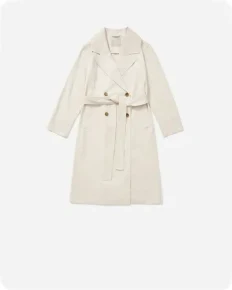
See all 10 APIs on 8 garments →Trench coat, packshot
Pixelcut lengthened the coat to the ankle. Genlook kept the knee length from the product photo.



Lace wedding gown
Both keep the lace bodice and tulle skirt. Pixelcut's run took 55 seconds.




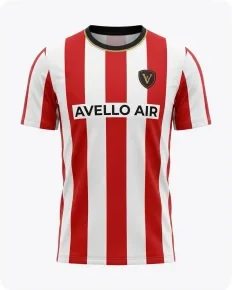
Football shirt with sponsor text
Both keep the sponsor text readable and the stripes aligned.



What beta means in production
Pixelcut is a broad image API. Background removal at five cents, upscaling, outpainting, clean docs with an OpenAPI spec, and 100 free credits to start: if your product needs general image processing, it earns a place in the stack, and its try-on price has come down sharply to $0.10 per image.
The try-on endpoint itself still carries the beta label, and its own docs are candid about the boundaries: it "may change without notice", it "works best with top garments", fine details "may not be reproduced perfectly". Add the operational shape, credits that expire each billing period, result files deleted within 24 hours, no published latency, and the endpoint is positioned, by its own label, as a beta.
How Genlook handles it
Genlook's try-on is the product, not a beta wing of one. The contract is stable with a documented changelog, latency is published at 8.2 seconds median, and one endpoint covers any product type, dresses, denim and outerwear as well as tops, plus shoes, glasses, jewelry and wigs. Pack credits never expire, results are stored with the end user's record rather than deleted within a day, and end-user data has a lifecycle: user records, auto-expiring images, and a deletion endpoint for privacy requests.
If you need one API for varied image work, Pixelcut is a fine choice with try-on as a bonus. If try-on is the feature your users will touch every day, it deserves an API that treats it as the whole job.
What the Genlook API is tuned for.
Production contract
A stable endpoint with a documented changelog and breaking-change policy. No beta disclaimer over your critical path.
Published speed
8.2s median per generation, measured in production and stated on the page. Async with webhooks or polling.
Any product type
Clothing, shoes, glasses, jewelry, hats, wigs: one endpoint covers them all. Not tuned for tops alone.
Results that stay
Stored with the end user's record and removable through a deletion endpoint, instead of being wiped within 24 hours.
Moving from Pixelcut.
- 1
Create a key
Self-serve at platform.genlook.app, 10 free credits included, and they do not expire at the end of a billing period.
- 2
Send the product photo as it is
No separate garment extraction step: pass the product image and the person image, including on-model photos and full-length garments.
- 3
Store less
Plans start at $20 a month for 1,000 try-ons ($0.02 each), down to $0.015 at volume, or pay as you go at $0.04. Results are kept with the end user's record instead of being deleted within a day.
Questions, answered.
Isn't Pixelcut's try-on cheaper than it used to be?
Yes: it now lists at $0.10 per image (10 credits at one cent each). Genlook is $0.02 on a plan, down to $0.015 ($0.04 pay as you go), and Pixelcut adds $0.05 when its garment extraction step runs. The bigger differences are elsewhere: beta status, tops-focused quality and expiring credits.
What does the beta label actually mean?
Pixelcut's own docs say the endpoint "may change without notice". For a weekend prototype that is fine. For a feature your users depend on, a contract that can shift under you is a real operational risk, which is why Genlook versions its API and documents breaking changes.
Pixelcut gives 100 free credits and Genlook only 10. Why?
Pixelcut's credits spread across its whole toolkit, and expire with the billing period. Genlook's 10 free try-ons are enough to run the quickstart on your own product photos, and the credit packs you then buy never expire.
Can Genlook also remove backgrounds or upscale images?
No. Genlook does virtual try-on only. If you need general image processing alongside try-on, pairing a dedicated tool for that with a production try-on API is a reasonable stack.
Can I compare output quality directly?
Yes. Both platforms have free credits; run the same product photos through each. Genlook's gallery above shows unretouched generations, including full-length garments, which Pixelcut's docs say its try-on handles less well than tops.
Sources
- Pixelcut API pricing: credits, plans, free credits, rollover
- Pixelcut try-on docs: beta label, garment guidance, extraction cost
- Pixelcut docs: result file retention
- Genlook Try-On API pricing
Checked on October 7, 2026. Plans and features change; if something here is out of date, write to hello@genlook.app and we will correct it.
Build try-on into your product.
Self-serve keys, ten free credits, and two API calls to your first generation.