
 Shopify
 WooCommerce
OPEN-SOURCE TRY-ON ALTERNATIVE
Genlook vs. open-source try-on models
IDM-VTON, CatVTON and Kolors are the try-on models developers find first. They are research work: non-commercial licenses, or no released weights at all. Genlook is a commercial try-on API. Here is what production takes.

Written by Thibault Mathian, founder of Genlook. Genlook makes one of the two products compared here. Competitor facts were last checked on October 7, 2026 against their public listings and docs, linked in Sources.
01 · The short verdict
Research models, or a product.
The open models moved the field, and they are worth studying. Their terms and their maintenance stop at research.
Open-source models
Built for research
- IDM-VTON: ECCV 2024 paper, 1.6M+ runs on its Replicate page
- Kolors: the most-liked try-on demo on Hugging Face
- IDM-VTON and CatVTON are CC BY-NC-SA: non-commercial use only
- Kolors try-on weights were never released; the commercial route is Kling
- Hosting, preprocessing, storage and moderation are yours
Genlook
Built for production
- Commercial try-on API, licensed end to end
- $0.02 per try-on on plans, down to $0.015
- Any product type, no masks, no prompts, no GPUs
- Maintained engine behind one stable endpoint
02 · Feature by feature
Where each option stands.
Checked against each model's repository, license and hosted pages on the date above.
Commercial use
Yes, commercial service
IDM-VTON, CatVTON: non-commercial; Kolors: demo for trials only
Cost per try-on
$0.02 on plans, down to $0.015; $0.04 pay as you go
About $0.023 of A100 compute for IDM-VTON on Replicate; ~$0.07 for Kling's try-on on fal
Speed
8.2s median
About 17s for IDM-VTON on an A100; no figure for the others
Pipeline
Two REST calls, no prompts
IDM-VTON: human parsing and DensePose, then inference
Garment coverage
Any product type, one endpoint
IDM-VTON demo masking set for tops; clothing focus across the three
Maintenance
Maintained service, engine updates behind the API
IDM-VTON: last code change July 2024; Kolors demo: unchanged since September 2024
Operations
Included, plus user records and deletion API
Yours: hosting, storage, moderation, retries
Free start
10 free credits
Free weights or demos, for research
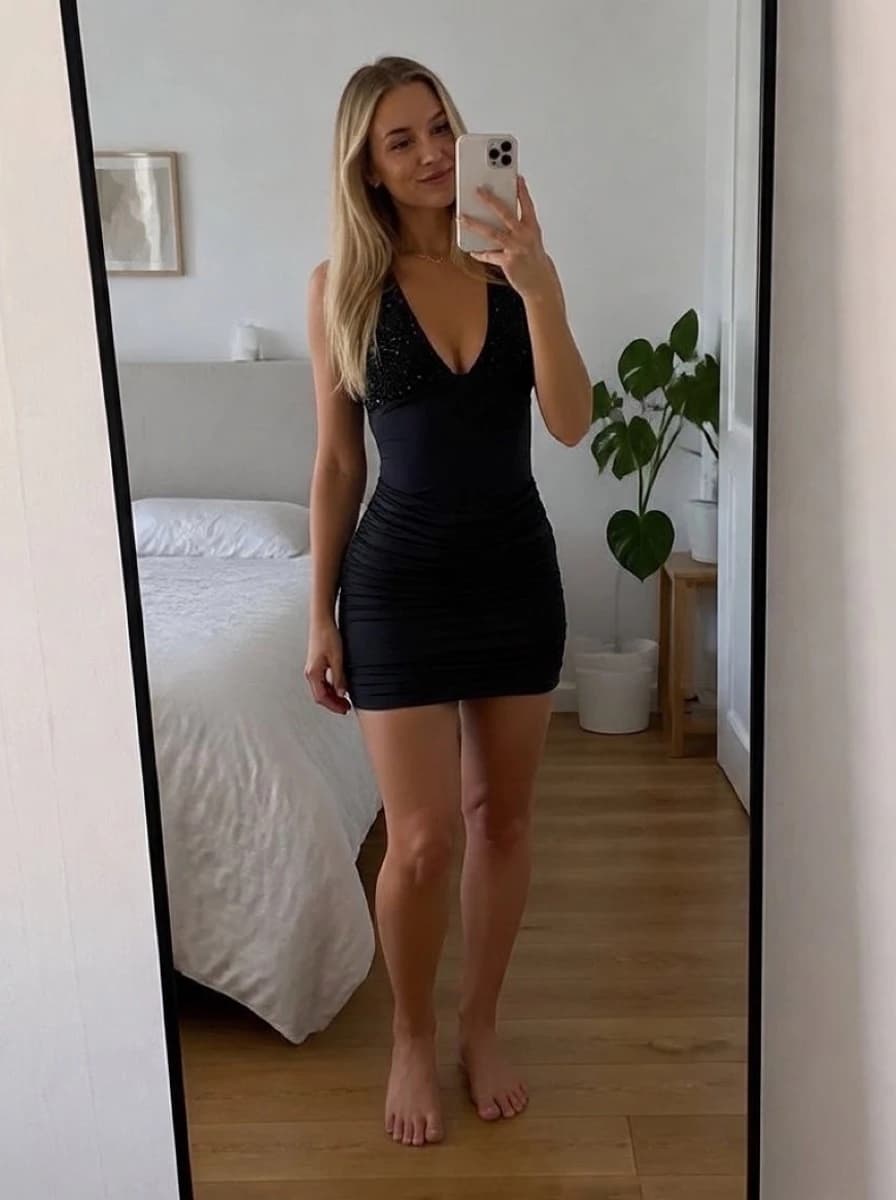
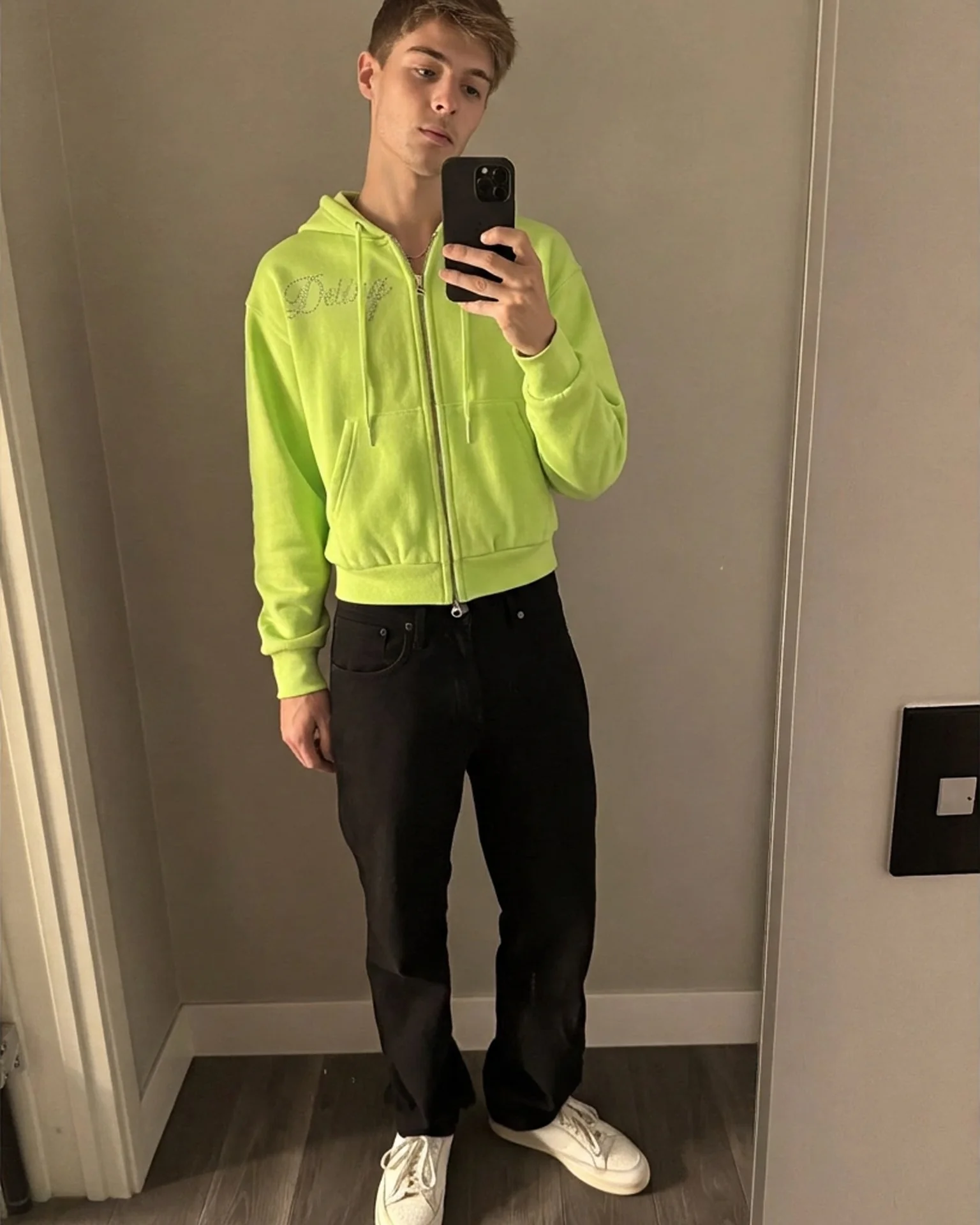
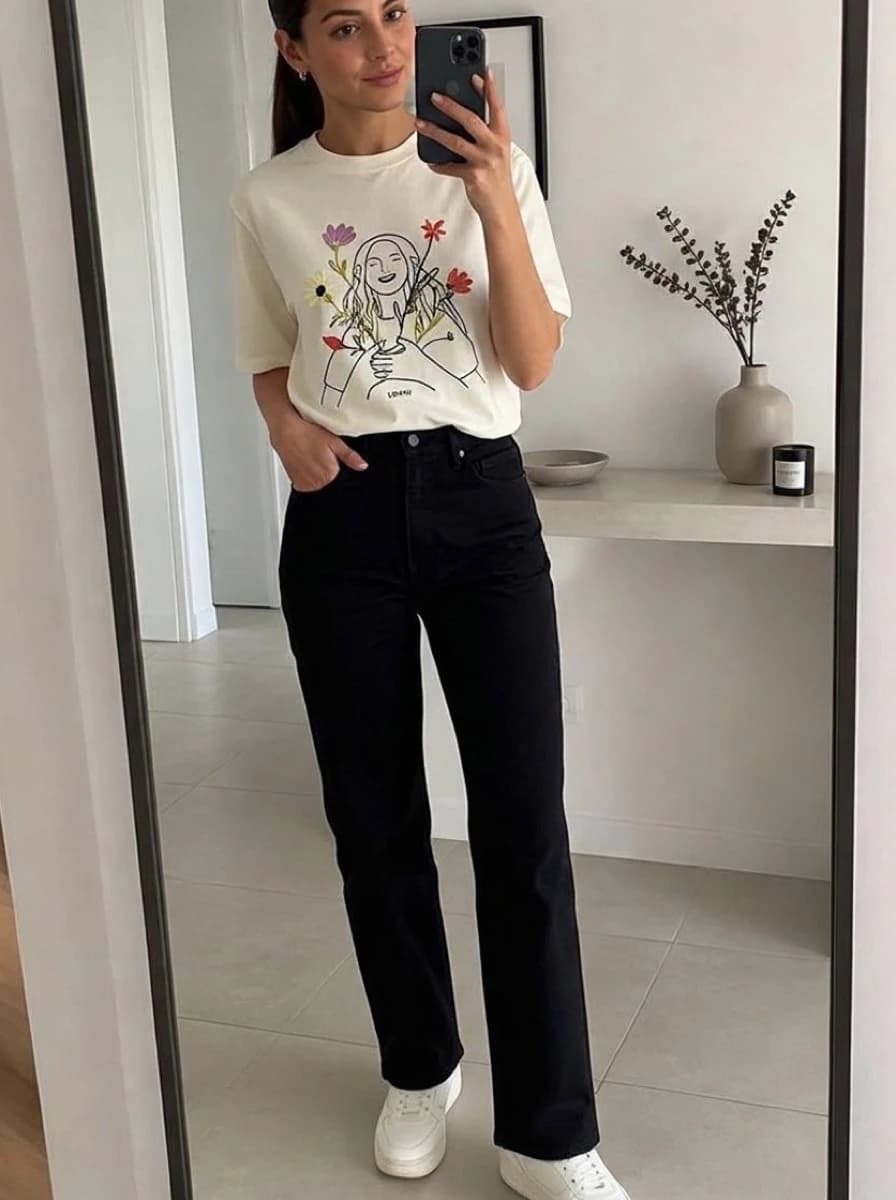
The part you can't compare on paper.
Four generations from the Genlook engine on real product photos.








03 · Model by model
What each open model actually offers
| Model | Weights | License | Status |
|---|---|---|---|
| IDM-VTON | Public on GitHub and Hugging Face | CC BY-NC-SA 4.0, non-commercial | Last code change July 2024; maintainer not answering recent issues |
| CatVTON | Public on GitHub | CC BY-NC-SA 4.0, non-commercial; labelled research only on fal | Research release |
| Kolors Virtual Try-On | Not released; the demo calls a private Kuaishou endpoint | Demo described as free for trials | Demo largely unchanged since September 2024 |
IDM-VTON is the one most developers reach first. The ECCV 2024 paper is widely cited, its Replicate page shows more than 1.6 million runs, and the weights are a download away. Running it means a preprocessing pipeline of human parsing and DensePose, a demo whose automatic masking is set for tops, and about 17 seconds per image on an A100.
CatVTON carries the same CC BY-NC-SA terms in its repository, and fal labels its hosted version research only.
Kolors Virtual Try-On is the most-liked try-on demo on Hugging Face, but there is no open try-on model behind it: the open Kolors release covers Kuaishou's text-to-image model, and the Space forwards requests to a private endpoint. The commercial route is Kling's try-on, sold through Kling and hosts like fal at about $0.07 per call, as raw inference.
How Genlook handles it
Genlook is a commercial try-on API, licensed end to end. One endpoint covers clothing, shoes, glasses, jewelry, hats and wigs with no masks, prompts or preprocessing. Results come back synchronously or through webhooks, end users are records you can delete on request, and the engine improves behind the same contract. A try-on costs $0.02 on a plan and $0.015 at volume, with no GPUs to rent.
Reproduce the open models to learn the field. When real customers are on the other end, use an API that is licensed and maintained.
04 · In practice
What the Genlook API is tuned for.
Licensed for commerce
A commercial service end to end. No non-commercial license or trial-only demo terms between your feature and your revenue.
No pipeline to build
No human parsing, DensePose or masks. Send a person photo and a product, get the try-on back.
Any product type
Clothing, shoes, glasses, jewelry, hats, wigs: one endpoint covers them all.
Operations included
Hosting, storage, webhooks, moderation, user records and a deletion endpoint for privacy requests.
05 · Getting started
Two calls to your first try-on.
Create a key
Self-serve at platform.genlook.app. New accounts start with 10 free credits.
Upload and generate
POST the person photo, POST the try-on. Get the result in the same request, or receive a webhook.
Go live
Plans start at $20 a month for 1,000 try-ons ($0.02 each), down to $0.015 at volume, or pay as you go at $0.04. Building something new? The startup program adds free credits.
06 · FAQ
Questions, answered.
Can I use IDM-VTON commercially?↓
Not under its published license. The code and checkpoints carry CC BY-NC-SA 4.0 terms, and its Replicate page states "Non-Commercial use only". A commercial product is commercial use, so shipping it falls outside those terms unless you license the model separately from its authors.
Is there an IDM-VTON API?↓
Not from its authors. Hosts such as Replicate run it for about $0.023 per image on an A100, with the same non-commercial license attached. Genlook is a commercial try-on API at $0.02 per try-on on a plan.
Can I download the Kolors try-on model?↓
No. Kuaishou has not released try-on weights; the open Kolors repository covers its text-to-image model. The Hugging Face demo calls a private endpoint. For commercial use, the related product is Kling's try-on, sold through Kling and hosts like fal.
Is CatVTON free for commercial use?↓
No. Its repository licenses the code, checkpoints and demo under CC BY-NC-SA 4.0, and fal labels its hosted version research only.
When are the open models the right choice?↓
For research, benchmarking and learning how diffusion try-on works. That is what their terms allow, and within those bounds they are excellent material. For a product with paying customers, use a licensed API.
Sources
- IDM-VTON GitHub repository: license, commit history, issues
- IDM-VTON model card on Hugging Face: license
- IDM-VTON on Replicate: run time, hardware, cost per run, non-commercial note
- ECCV 2024 paper page for IDM-VTON
- CatVTON GitHub repository: license
- CatVTON on fal: research-only label
- Kolors GitHub repository: README license section, model license
- Kolors Virtual Try-On Space on Hugging Face: likes, disclaimer, app code
- Kling Kolors try-on on fal: price, commercial use
- Genlook Try-On API pricing
Checked on October 7, 2026. Plans and features change; if something here is out of date, write to hello@genlook.app and we will correct it.
Build try-on into your product.
Self-serve keys, ten free credits, and two API calls to your first generation.