
 Shopify
 WooCommerce
From Doppl to the Cart: Google's Endgame Comes Into Focus
At Google I/O 2026 (May 19), tucked between the AI model announcements, Google revealed Universal Cart: a single, AI-powered shopping cart that follows the shopper across Search, Gemini, YouTube, and Gmail. Spot a jacket in a YouTube video, ask Gemini to find it cheaper, and check out: one cart, every Google surface. The rollout starts in the US this summer.
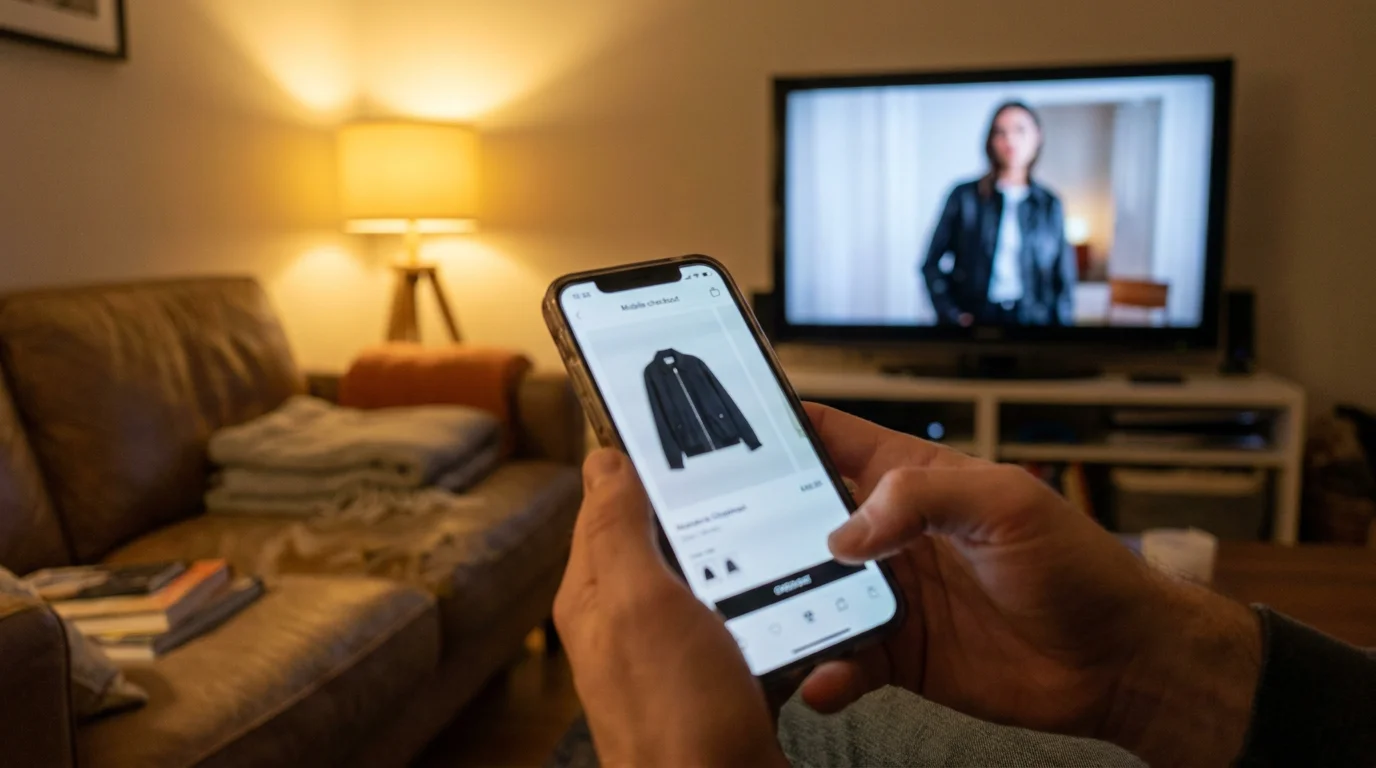
If this feels familiar, it should. When Google shut down its Doppl try-on app in April, we wrote that the technology wasn't dying: it was being folded into Search and Shopping. Universal Cart is the next domino: first Google absorbed the try-on, now it is absorbing the cart.
Add OpenAI's direct checkout inside ChatGPT, Pinterest's experimental "Ask Pinterest" shopping assistant (June 17), and Meta's in-development "Hatch" agent, and the picture is complete: every major platform is racing to own the moment of purchase.
Here is what Universal Cart actually does, and what it means for your store, whether it runs on Shopify, WooCommerce, or anything else.
What Universal Cart Actually Is
Universal Cart builds on the Shopping Graph, the same product-data backbone that powers Google's "Try it on" feature in search results. The pieces:
- One cart across surfaces. Products discovered in Search, Gemini conversations, YouTube videos, or Gmail promotions accumulate in a single Google-managed cart.
- AI-assisted decisions. Gemini can compare prices across the cart, watch for discounts, and nudge the shopper when an item drops in price.
- Agentic checkout. Google handles the transaction flow, with the merchant fulfilling the order: the shopper may never visit your storefront at all.
That last point is the strategic shift. Google is no longer just the front door to your store. It is trying to be the store.
What This Means for Independent Merchants
The upside: your products, everywhere
If your catalog is synced to Google Merchant Center, Universal Cart is free distribution. Your products become buyable from a YouTube video or a Gemini chat with zero extra work. For discovery, this is the biggest top-of-funnel expansion since Google Shopping went free.
Action items:
- Audit your Merchant Center feed. Titles, images, sizes, availability: the Shopping Graph is now your storefront, so feed quality is product-page quality.
- Check your platform to Google sync. Whether it's Shopify's Google & YouTube channel or a WooCommerce product feed, broken variants or stale inventory now fail in four Google surfaces at once, not one.
The catch: Google owns the customer
Everything in Universal Cart happens on Google's side of the fence. Google's AI compares your product against every competitor's, in an interface you don't control, and keeps the customer relationship (the email, the retargeting, the repeat purchase) for itself.
The merchants who thrive alongside agentic platforms will be the ones whose own product pages convert well enough that shoppers still prefer to buy direct. That means giving shoppers on your site something Google's cart can't: confidence.
Confidence is the moat
Google's search results offer "Try it on" for supported listings, but on your storefront, that job is yours. A shopper who has seen the jacket on their own body, on your product page, has a reason to finish the purchase there instead of letting an aggregator's cart shop the price around.
Genlook adds that layer natively, on Shopify, WooCommerce, and every platform we support:
- Photorealistic AI try-on on your product page: one shopper photo, results in seconds.
- The experience stays on your domain, building your dwell time, your conversion rate, and your customer relationship.
- Fewer returns: visual confidence at the point of purchase cuts the bracketing behavior that agentic "buy it anywhere" shopping will otherwise amplify.
The Platform Race at a Glance
| Platform | Move | Status |
|---|---|---|
| Universal Cart across Search, Gemini, YouTube, Gmail | US rollout summer 2026 | |
| OpenAI | Direct checkout inside ChatGPT (Shopify partnership) | Live |
| "Ask Pinterest" conversational shopping app | Experimental, US (June 2026) | |
| Meta | "Hatch" agentic shopping assistant for Instagram/Facebook | In development, expected before Q4 2026 |
The Bottom Line
Universal Cart is the clearest signal yet that discovery and checkout are migrating into AI surfaces you don't control. Fighting that migration is pointless: your products should absolutely be in the Shopping Graph.
But the merchants who keep their margins will be the ones whose own storefronts are worth buying from. Distribution belongs to the platforms now: conversion still belongs to you.
Add virtual try-on to your store with Genlook and give shoppers a reason to buy where you keep the relationship.
FAQ
Questions, answered.
What is Google's Universal Cart?↓
Announced at Google I/O 2026, Universal Cart is a single AI-powered shopping cart that works across Google Search, Gemini, YouTube, and Gmail. Shoppers can add products from any of these surfaces and check out in one place, with a US rollout starting summer 2026.
How do my store's products appear in Universal Cart?↓
Through the Google Shopping Graph. If your catalog is synced to Google Merchant Center (via Shopify's Google & YouTube channel, a WooCommerce product feed, or a direct feed), your products are eligible to appear and be purchased across Google's shopping surfaces.
Is Universal Cart good or bad for independent merchants?↓
Both. It expands product discovery enormously, but the transaction and customer relationship stay with Google. Merchants should sync their catalogs for distribution while investing in on-site conversion tools, like native virtual try-on, so direct purchases remain attractive.